When is the best time to travel to South Africa? Here you will find everything you need to know about the best time to travel to South Africa.

When is the best time to travel to South Africa? Is Cape Town warmer and windier than Johannesburg? Is there a rainy season? And most importantly, which season is better for safaris - summer or winter? What are the temperatures like in the African winter? Do I need to bring warm clothes for overnight stays?
Since I keep getting questions about the best time to travel to South Africa, I have written down my experiences here. I have been to South Africa eight times, at all travel times, so I am a travel expert when it comes to South Africa and all regions as a travel destination.
For me, South Africa means adventure, great encounters with people and animals, and incredible nature!
Enjoy reading!
Summary
The best time to travel in South Africa is from March to May and August to October. South African summer is from November to March and ideal for holidays along the Garden Route. South African winter from June to September offers a mild climate and ideal conditions for wildlife viewing in national parks. It can rain around Cape Town.
The best time to visit the Garden Route is during the summer or for whale watching and outdoor activities, July to November. September to November is spring in this region.
Is there a rainy season?
The rainy season is from August to October in the Garden Route. In the Kruger National Park, the rainy season starts from mid-October to the end of January. However, it rarely rains and when it does, it is in the form of torrential, tropical downpours. Roads in national parks in the east are often flooded then.
One thing in advance: there is no such thing as the absolute best time to travel in South Africa. The regions are too different and the types of travel and activities (safari, beach holiday, active holiday) too varied.
In a nutshell per month
January: Suitable for round trips in the country, often difficult for wildlife watching due to heavy rainfall. Peak season around New Year.
February: Optimal travel time, less rain in national parks. Favourite month, less busy than January
March: Optimal for round trips, perfect in Cape Town and the Garden Route as well as Kruger National Park and safaris. Favourite month with February.
April: Autumn in Cape Town, it gets extremely windy. Still good for round trips
May: Suitable for round trips in the country, not my favourite for holidays.
June: Winter on the Cape Peninsula, it rains a lot. Ideal for safaris
July: Winter on the Cape Peninsula and in the interior, it rains a lot. After sunset temperatures of 5 - 10° C possible. Ideal for safaris
August: Winter on the Cape Peninsula and inland, heavy rain. First whales near Hermanus. Ideal for west coast and wildflower bloom.
September: Ideal for whale watching on the Garden Route, spring in the Cape.
October: Ideal for whale watching on the Garden Route.
November: Low season and higher temperatures at the Cape (very windy), good for wildlife watching.
December: High season in the whole country (summer holidays in South Africa). It gets hot at the Cape, rainy season possible in Kruger National Park.
What do you want to do in South Africa?
It is difficult for me to give a recommendation for the best time to travel to South Africa. The best time to travel depends on which regions of South Africa you want to visit and how much you want to experience major temperature changes. Do you like places that have balmy summer nights around 20 degrees or do you prefer cooler climes?
What do you want to do in the country? Do you want to go on safari, go hiking, prefer a beach holiday or explore the cities? Depending on your preferences, different regions and seasons are suitable for a trip.
As South Africa is located in the southern hemisphere, the seasons are basically opposite to Germany. When it is winter here, everything is in bloom in South Africa and the temperatures are around or above 30 degrees.
My experiences
South Africa as a travel destination is best suited for a trip all year round. I was in South Africa from the end of November until shortly after Christmas Eve. In 4 weeks I travelled to all regions and experienced the most diverse climatic conditions. Another time I travelled in the South African winter (August) from Cape Town to the Kalahari on the border of Namibia. It rained a lot and was sometimes very cold. Especially the nights were extremely cool with temperatures down to 10° C.
Another time I was in Kruger National Park and adjacent game reserves in March. It was extremely hot and dry.
Here I tell you the most important information about the weather in South Africa and which is the best time to travel there.
BOOKING WITH TRAVEL SPECIALISTS????
We often receive emails with questions about itineraries and the fear of planning everything on our own. That's why there are travel specialists like DIAMIR. This agency will tailor-make your trip (either individually or as a group trip) so that you have the best experience on the trip. We have also travelled with DIAMIR and can recommend this sustainable provider to you. → Directly to DIAMIR
Are you planning your trip to South Africa? Here you can find more tips:
21 South Africa sights and insider tips
Tips for driving in South Africa
Travelogue for 3 weeks South Africa trip (first time visitor)
How much does a South Africa trip cost?
Recommendation for the best South Africa travel guide
All tips for your South Africa trip at a glance
All information for regions and cities:
Cape Town sightseeing | tips before your Cape Town holiday (planning)
17 Excursions and Adventures for Cape Town and Surroundings
Travelogue for the Garden Route in South Africa with Route
Cape Peninsula and Cape of Good Hope
Panorama Route
Kruger National Park
Johannesburg
Northern Cape with Kgalagadi Transfrontier Park, Augrabies Falls and Namaqualand
Western Cape Roundtrip from Cape Town (with Paternoster and Langebaan)
Swaziland
Addo Elephant National Park
Tsitsikamma National Park
High Season in South Africa
In South Africa's high season, the sights and tourist regions around Cape Town, Kruger National Park and Garden Route particularly crowded. Especially in December (Christmas and New Year) and January. These are the summer holidays in South Africa. In addition to local holidaymakers, many Europeans come here to escape the winter at home.
Especially around the Cape PeninsulaGarden Route, Kruger National Park and Kgalagadi Transfrontier National Park, you should book accommodation and excursions well in advance. Prices are highest then, although I South Africa (except for the luxury lodges like Sabi Sabi) I did not find extremely expensive.
We had particular problems along the Garden Routewhen it came to finding a place in a restaurant in the evening. Especially around Hermanus, there were supposedly no seats available anywhere, because all South Africans had booked in advance and were enjoying their Christmas holidays.
The African summer runs from about November to the end of March. Then the daytime temperatures are very pleasant. However, there can also be rainfall. In Cape Town we had perfect weather and bright blue skies. The wind was pleasant and never too strong (in April the winds are stronger).
In the Kruger National Park the temperatures were 20 degrees and it rained a lot. Previously we had waited five months for rain. The climate change is noticeable here too.
Especially during morning safaris it was very fresh with temperatures between 6 and 12 degrees. The rangers even wore thick winter jackets.
Best time to travel to Kruger National Park and safaris
Although large parts of South Africa run along the coast, for me South Africa is not a destination for a beach holiday. The sea is quite cold. I have only been swimming in the sea once in eight trips.
For safaris in the national parks and game reserves, there is no optimal recommended travel time for me. Locals and rangers will recommend you to use the South African winter (June - September). It rarely rains then, and the steppe and grass are very low and flat. The trees and bushes often have no or hardly any leaves, so the animals are easily visible.
Due to the dry climate, the animals have to gather around the few available water sources. On safaris, this increases the chances of sighting animals. These are the best conditions for observing animals in the wild. It is then really easy to see animals.
However, there is generally less and less water, so that even in the South African summer rivers often dry up. Climate change is also noticeable here.
Anyone who says "but it can get very cold in winter" has not yet been on safari in December, the South African summer. Even then you need a jacket in the morning before sunrise.
Kruger National Park in December
In December it was quite fresh in the mornings during the morning drive and during the night drives. The guides even wore winter jackets (ok very exaggerated, a hoodie will do). It rained constantly: not good conditions to spot animals (especially big cats). Lions, leopards and cheetahs then crawl into the deep thicket and move as little as possible. Nevertheless, we saw at least one leopard every day (in March, too, by the way, probably because of me).
Kruger National Park in February
For me, February is one of the best months to visit! Animals have young, everything is green. The only drawback is that there is not enough water. Finding animals can be really hard. But we're not in a zoo.
It can often rain in February. Besides, there are often ticks at this time of year. If they bite, they can transmit African tick fever. If you don't spray yourself, you'll get caught, especially on bush walks. I was spared (because I used mosquito spray with Deet. My fellow travellers were not, because they were not careful).
But it's not bad. You get aching limbs and antibiotics immediately. After 2 days you feel better.
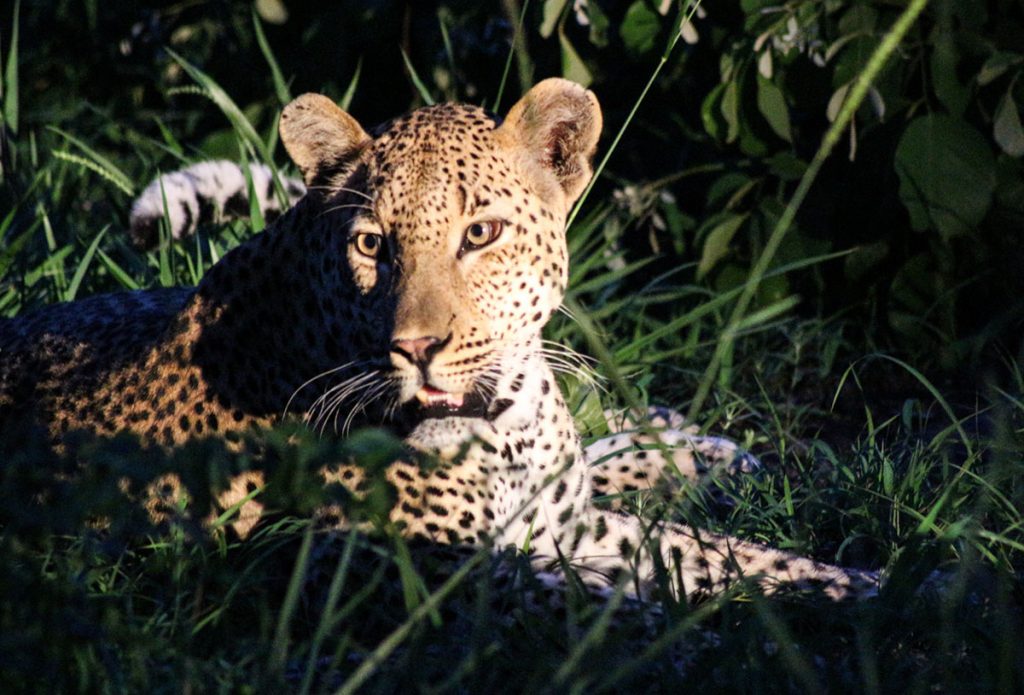
You rarely see a leopard, so they say. In South Africa I saw more leopards than lions. No matter which of the seasons.
Kruger National Park in March
My next trip took me to the Kruger National Park. It was very humid, hot and one evening there was a thunderstorm that lasted until the next day. Good for the climate, because it had rained far too little the last few months and the grass was only ankle high instead of knee high. In March, everything is quite green and, as mentioned above, you sometimes have to look for the animals a little longer. But that's what makes it so appealing to me. I'm not in a zoo. Besides, there is much less going on.
My conclusion here too: There is no best time to go on safari in South Africa. You can travel to South Africa all year round. My favourite month is February.
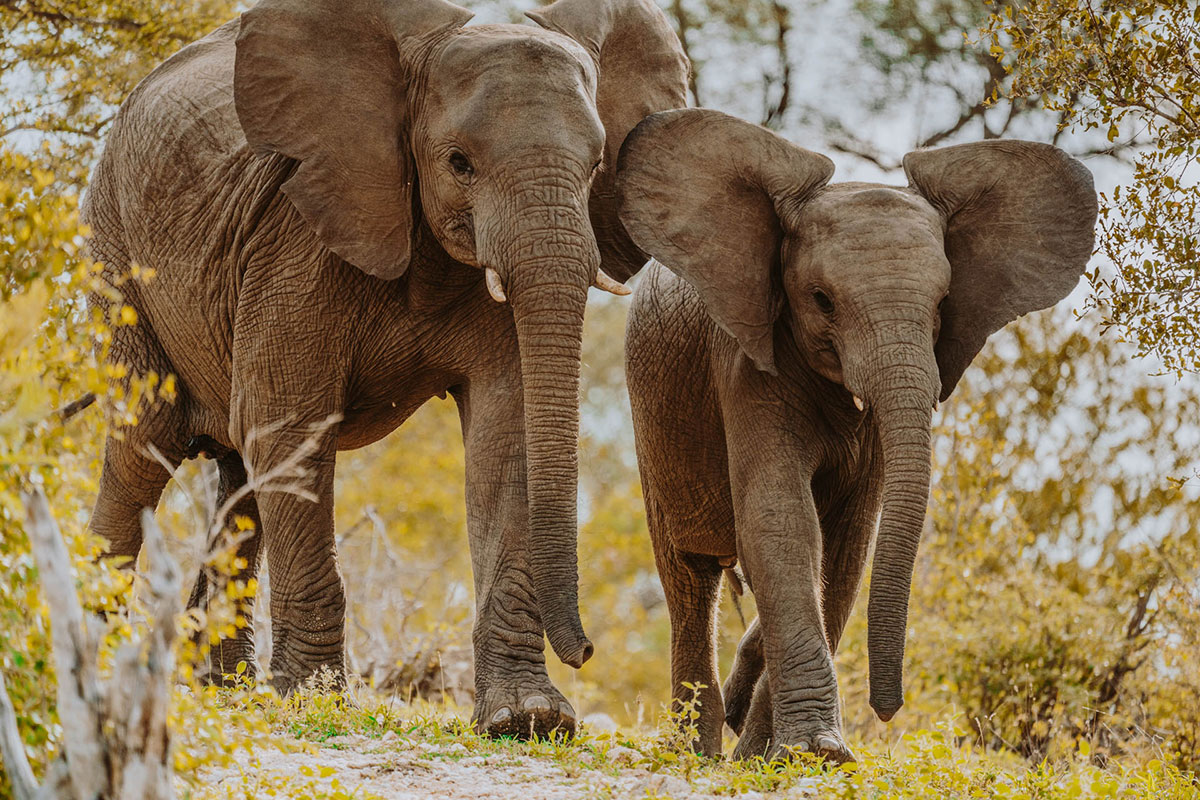
During the game drive in the TImbavati Game Reserve curious young bulls approach us joyfully 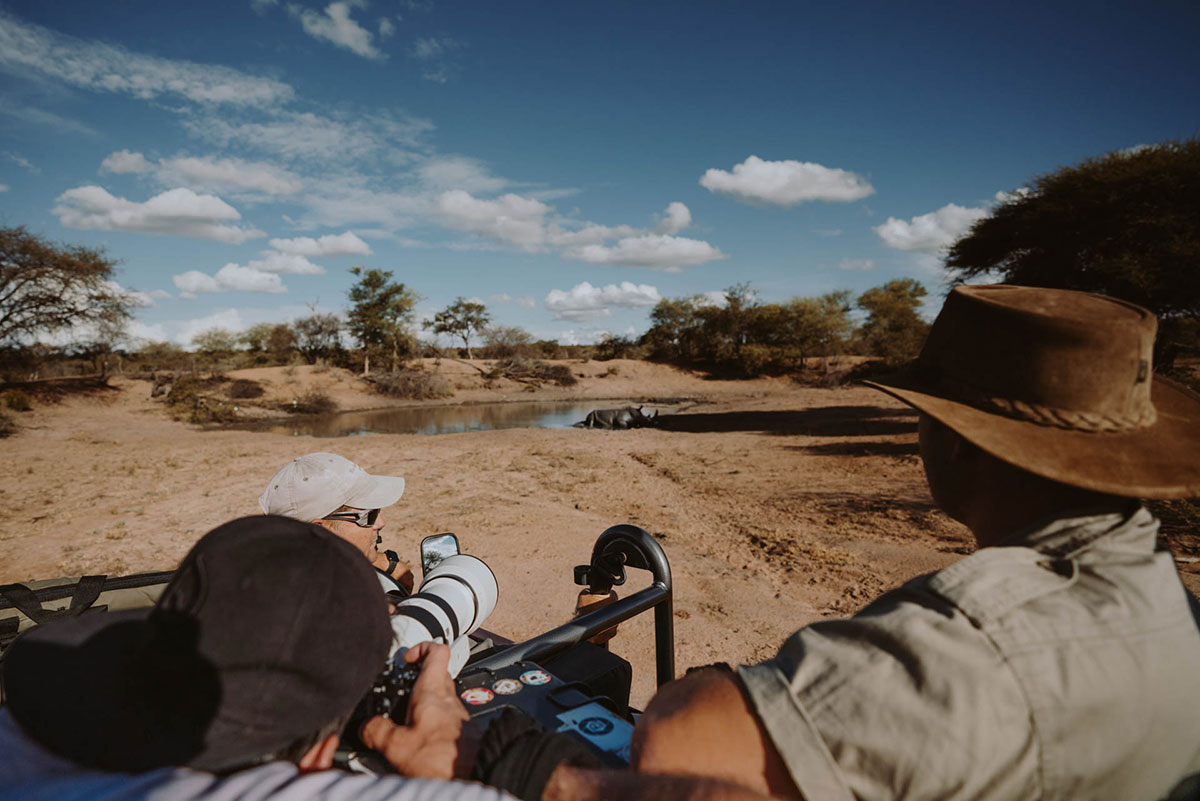 Game drive with ranger and elevated sitting. Perfect for animal sightings Best time to visit Cape Town & Cape Peninsula
I fell in love with Cape Town immediately. The city is exciting and has many things to offer. Not only scenic and historical, but also cultural. The climate in Cape Town is in no way inferior.
The Cape region also offers a lot of sights. Here you will find my favourite places to visit in Cape Town (→ comprehensive guide) and Cape Peninsula: Cape Town Sightseeing.
But when is the climate optimal and when is the best time to travel to Cape Town and the Cape region?
The ideal months are the African spring from late August to mid-November or January and February. The temperatures are pleasant and ideal for sightseeing. It is not too hot, but not too cold either. The wind blows pleasantly and not constantly. Due to its location by the sea, it is always quite pleasant in Cape Town. But it can rain. As I experienced in August, even torrential rain. You probably wouldn't have thought that now, would you?
High season in South Africa (and in Cape Town) is around Christmas and New Year's Eve. That's when the locals have their summer holidays. It's warm, sometimes really hot, and the wind hardly blows. The chances for a visit to Table Mountain and a blue sky are best then.
We were lucky then on three days just before our flight back to Germany on our 1st trip, and were able to take the gondola to the top. On all eight visits to Cape Town, there were at least one or two days on which the gondolas did not go up Table Mountain. Totally normal in Cape Town. There are plenty of other activities you can do as an alternative. Check out my Cape Town tips for activities and excursions here (also with kids). Still, plan a buffer if you really want to go up Table Mountain.
Temperatures are pleasantly warm at the end of January. Thanks to the wind, it never gets hot and the climate is pleasant. Still, don't underestimate the sun in January. Some of my fellow travellers got sunburnt during their visit to the Cape of Good Hope and (probably) a slight sunstroke.
HOTEL WANTED? ????
To find a good hotel, we recommend the platform booking.com. We always book our accommodation on this platform or directly with American Express, as we get additional discounts with the American Express Platinum credit card (see details here, only worthwhile for frequent travellers).
Avoid the peak season in Cape Town around Christmas.
If you don't want long queues at attractions, my advice is to visit South Africa in autumn or after the Christmas holidays. Autumn is between March - May and offers a very pleasant climate with comfortable temperatures. Many travellers recommend this season as the best for South Africa and the Cape region.
Winter is cold, quite mild during the day
Winter can be really cold. Especially in June, July and August. During the day, temperatures are around 16 - 20 degrees with sunshine. As soon as the sun goes down, it gets cold. A warm jacket is a must.
Accommodation with heating is an advantage!
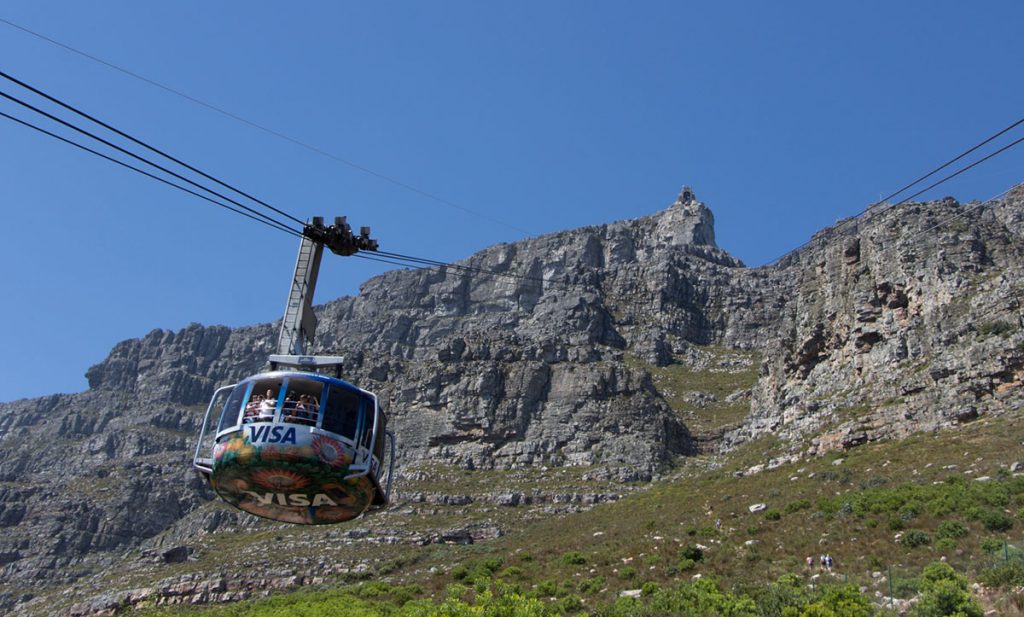
Cable car to Table Mountain. 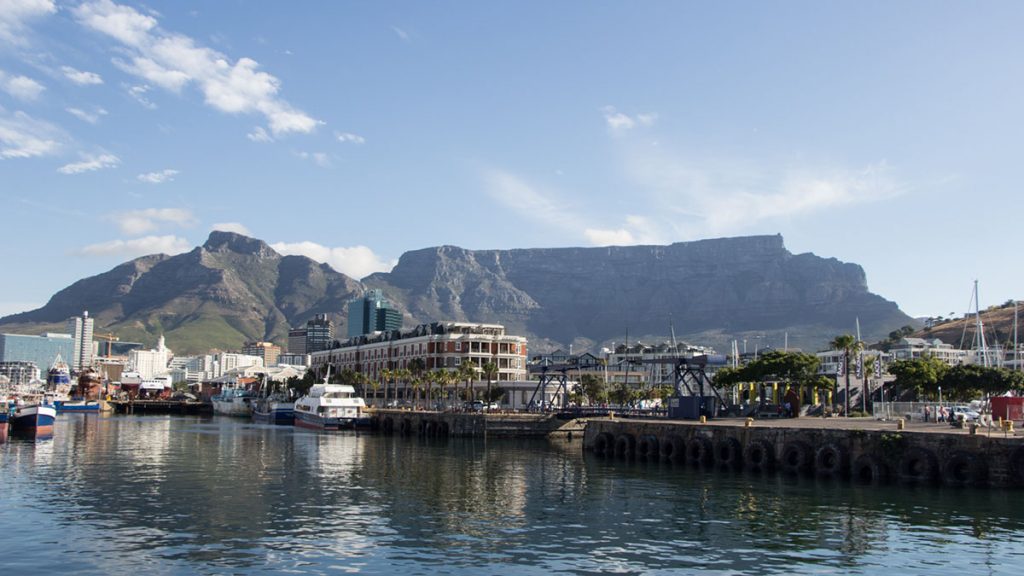 Best time to travel for a South Africa round trip
Round trips in South Africa also via the Garden Route are becoming more and more popular. Why not? The roads are mostly in great condition. You can drive through or stay in Swaziland and Lesotho without any problems. But when is the best time to travel to South Africa if you are planning a round trip?
South Africa is suitable for a round trip all year round. The best time to travel through South Africa is from November to April. The climate is mild in Cape Town as well as along the Garden Route and Johannesburg is always pleasantly warm. At night it can get cold, especially in December in the Kruger National Park can be quite cool in the morning.
The climate was very varied, at least on my trip. In Johannesburg 35 degrees one day and the next when driving into the Kruger National Park it suddenly rained. The temperatures were suddenly only 18 degrees. Recently the opposite picture: Johannesburg cloudy, cool 16 degrees. Then in Kruger National Park 32 degrees. Still quite "cool" for February, I was told.
In Durban it rained and was not at all "the hottest place to be", as the city's slogan proclaims. Only from Port Elizabeth on the way back to Cape Town did the thermometer climb back above the 30 degree mark.
A tip is to avoid the rainy season from January to March. Especially the routes in the national parks, which are often made of clay and earth, can quickly become a dead end. Rainfall is frequent, and thunderstorms and downpours with flooding are also possible then.
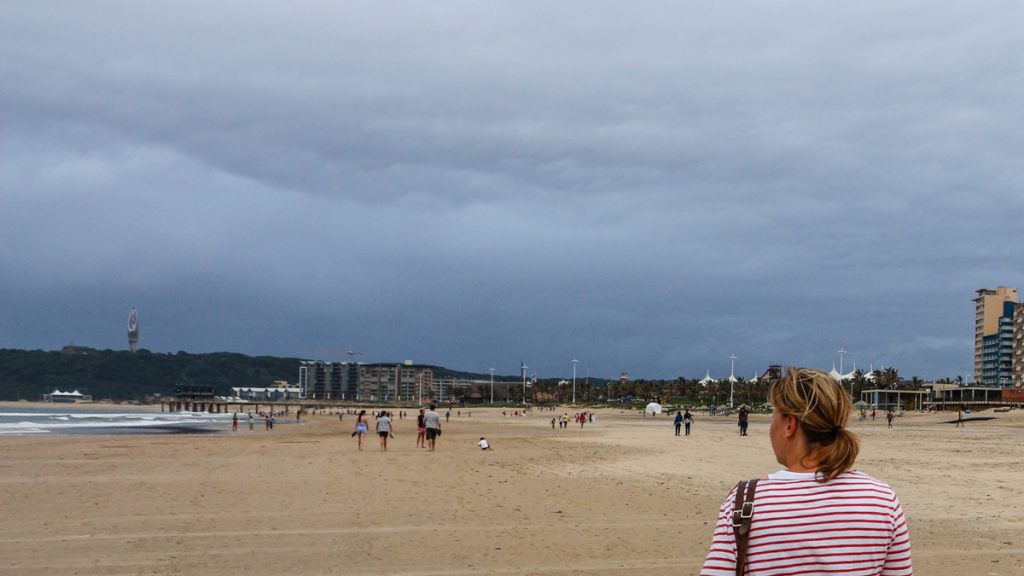
Durban, cloudy, windy and drizzling. Not one of the "hottest places to be" during our visit. Best time to visit the Garden Route
The best time to travel along the Garden Route on the Indian Ocean and the Cape Peninsula is between September and April. September is spring and April is late summer. Therefore, these months are particularly recommended, as it can be very hot along the coast in summer.
From the waning of the high season from mid-January to about mid-March, it is warm and rain showers are rare. This is a particularly good time to visit South Africa's south .
As December is the summer holiday season in South Africa, the coastal resorts are very crowded, especially around Christmas and New Year. The prices rise significantly. In Hermanus, we had a real problem finding a place for dinner in a restaurant, as locals had reserved seats in advance. High season for the Garden Route is between mid-December to mid-January.
The rainiest months are June - August.
→ My tips for the Garden Route
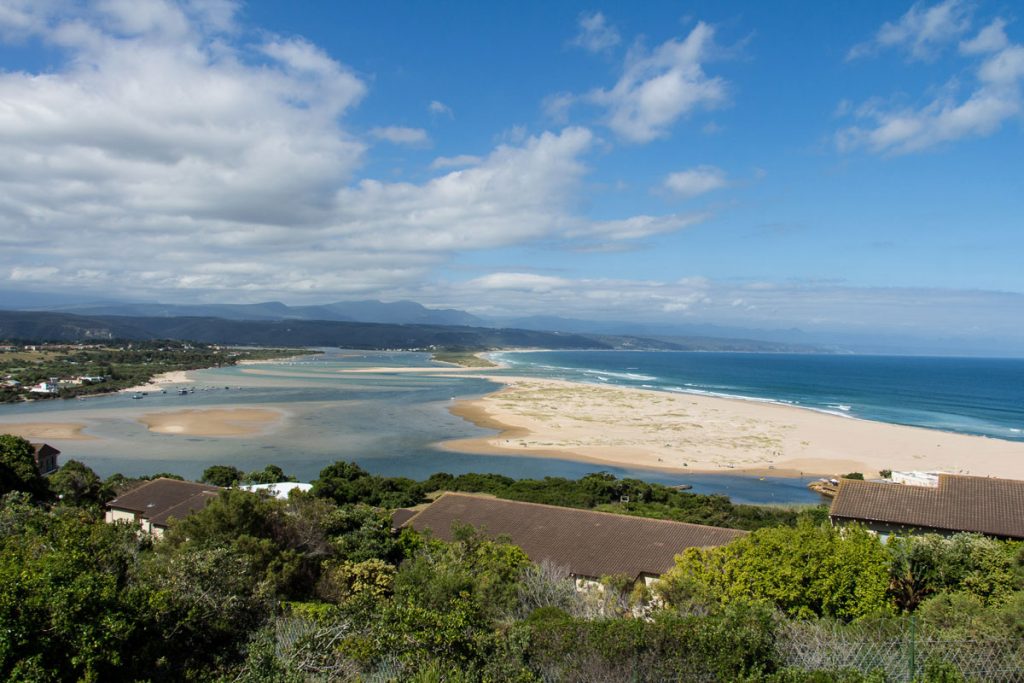
Plettenberg Bay, Garden Route at Lookout Beach
Best time to visit the Tsitsikamma National Park
At Tsitsikamma National Park near Port Elizabeth has a very mild climate all year round. Therefore, you can travel here all year round. Only between August and October are there frequent short rain showers. In March it can also rain more often.
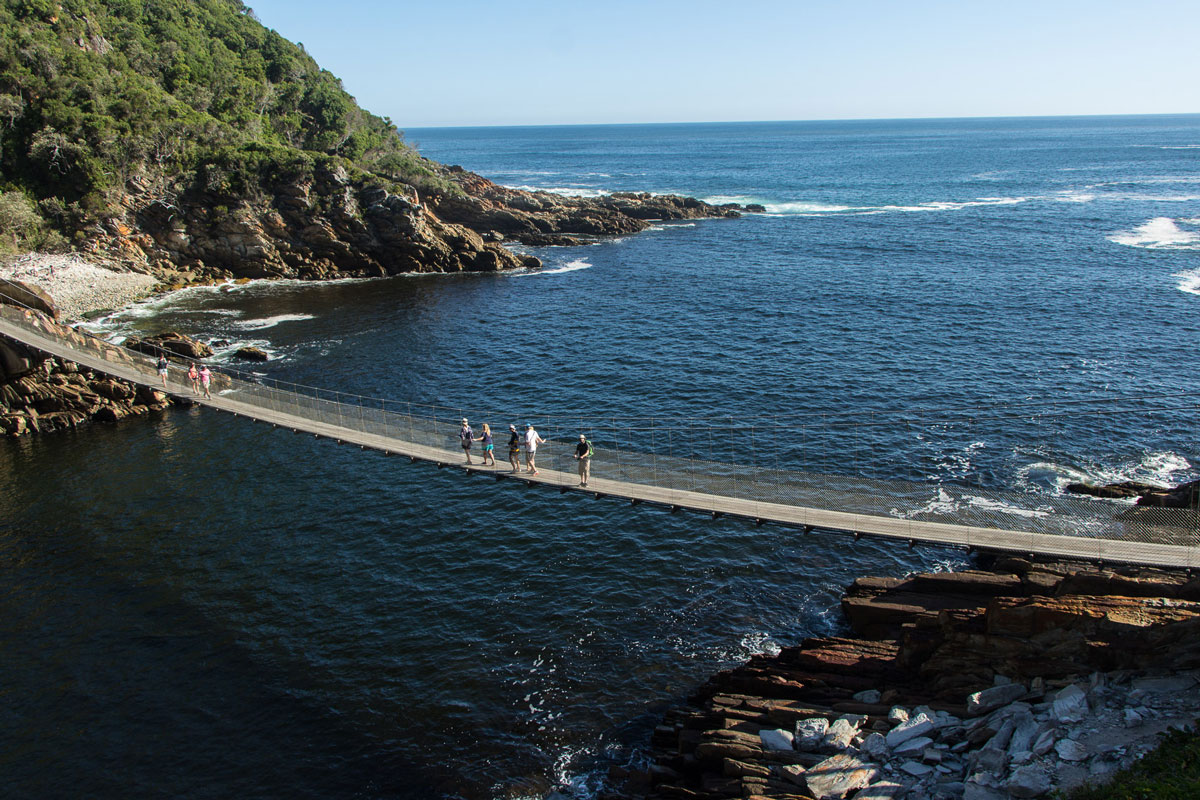
Suspension Bridge in Tsitsikamma National Park Best time to visit Northern Cape
The Northern Cape depends on what you want to do. If you want to see the wildflower blossom (the reason for my visit), you have to come in August/September, when spring is slowly coming. However, in recent years there has been no guarantee of wildflowers. In 2017 there was no flowering at all. Thanks to climate change, there had been too little rain that the flowers did not bloom.
I was lucky: although the flowers were only "40% open" according to the guide, the sight was nevertheless gaudy and very colourful. Wow!
At this time of year, however, it can still be very changeable. Temperatures vary from 10 to 24 degrees during the day, at night the temperature often drops to 0 degrees. Accommodation is not always built to suit the climate. In Sutherland (unimaginable for me), the houses were equipped with fireplaces, but there was no heating as we know it. Definitely pack warm shoes, jackets and jumpers with gloves and hats!
A visit is definitely worthwhile. The further you drive along the Northern Cape towards Namibia/Botswana, the warmer it gets. No wonder, in 10 out of 12 months temperatures here are over 30 - often even over 40 degrees. I love the Kalahari Desert with all my heart and love high temperatures with a desert climate.
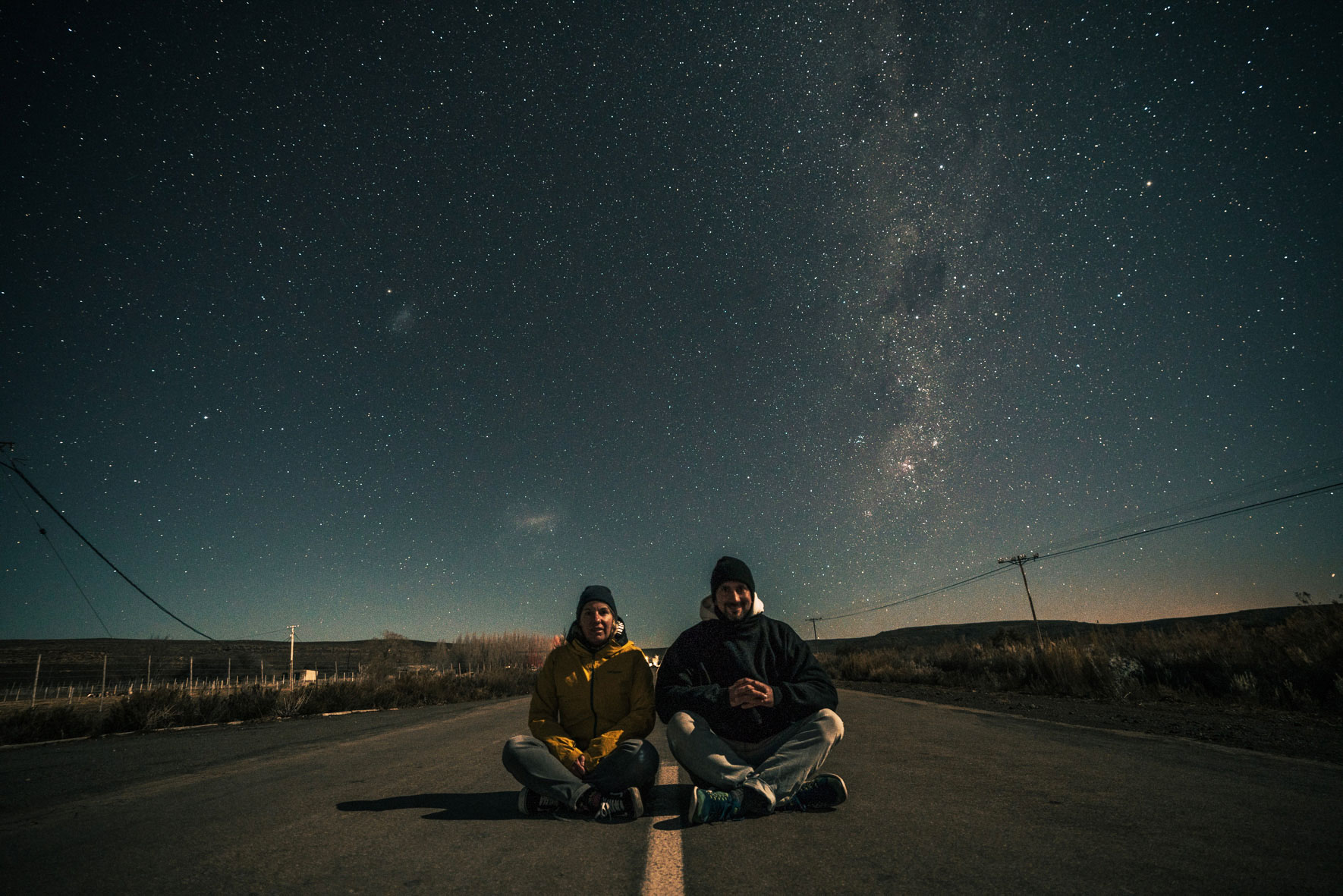
Stargazing at -4 degrees in August in Sutherland. South Africa's Dark Sky Preserve. 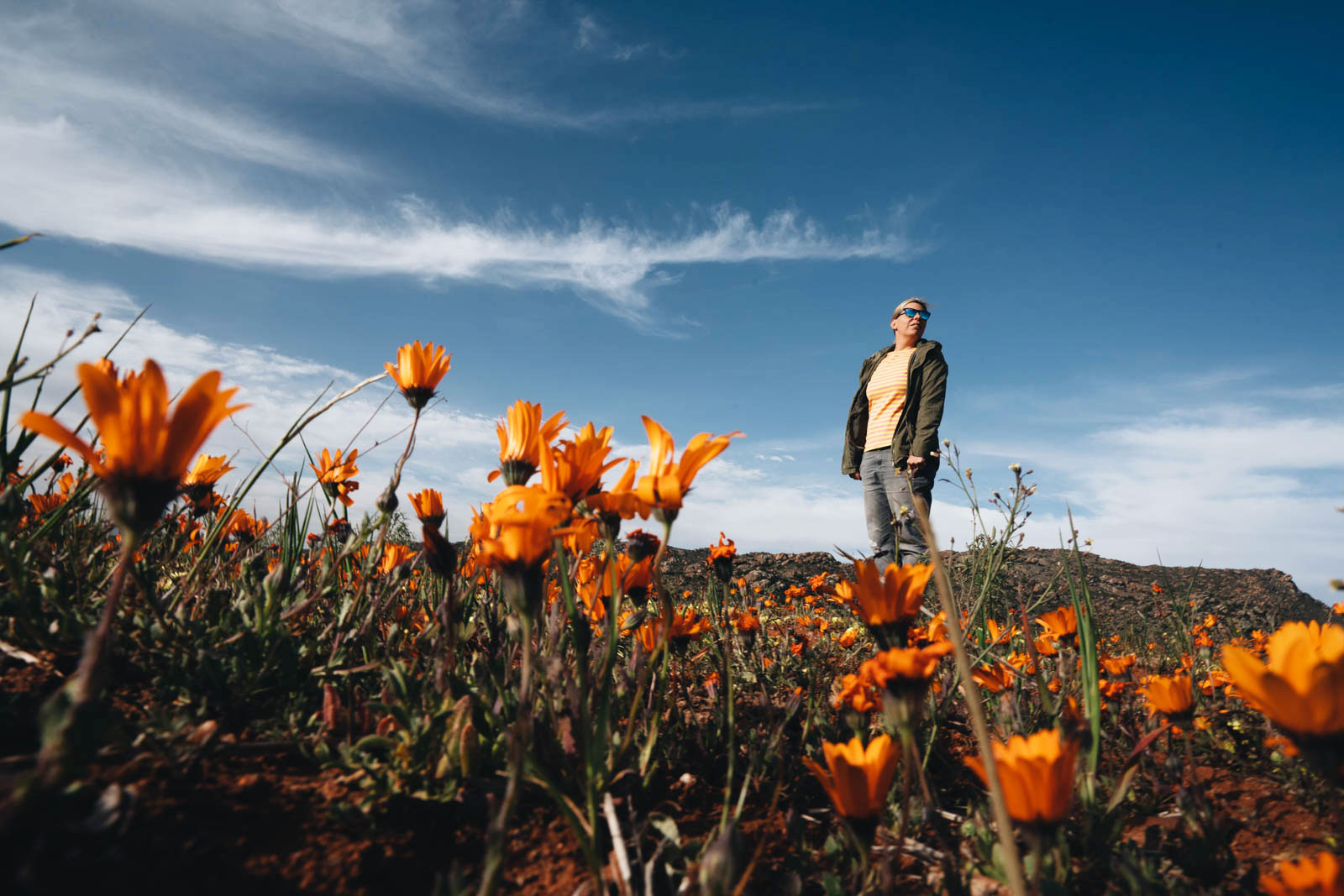 Wildflower bloom in the Northern Cape near Springbok (Namaqualand) in August. Best time to travel East Coast
KwaZuluNatal with Hluhluwe National Park, St Lucia and Durban are ideal destinations from March to October . The Wild Coast, on the other hand, is perfect from November to early February.
The east coast has a subtropical climate. In summer it is very humid and hot. It can rain very often. Therefore, we recommend a visit in the winter months (summer in Germany).
Special highlight of the east coast: the Sardine Run. This is when millions of sardines migrate up the east coast. Followed by thousands of sharks, whales, dolphins and birds. I would love to experience this phenomenon live! For divers, this is the highlight of South Africa!